What is happening
Peru held its second-round presidential election on 7 June 2026, pitting right-wing candidate Keiko Fujimori of Fuerza Popular against centre-left Roberto Sánchez of Juntos por el Perú 311. Multiple polling organisations and the European Union's election observation mission reported the race ended in a technical tie 5719. As of 9 June, results remained too close to call, with final tallies awaiting overseas votes—where Fujimori holds approximately 60% support—and the resolution of hundreds of contested ballots, most in Lima where Fujimori is popular 6.
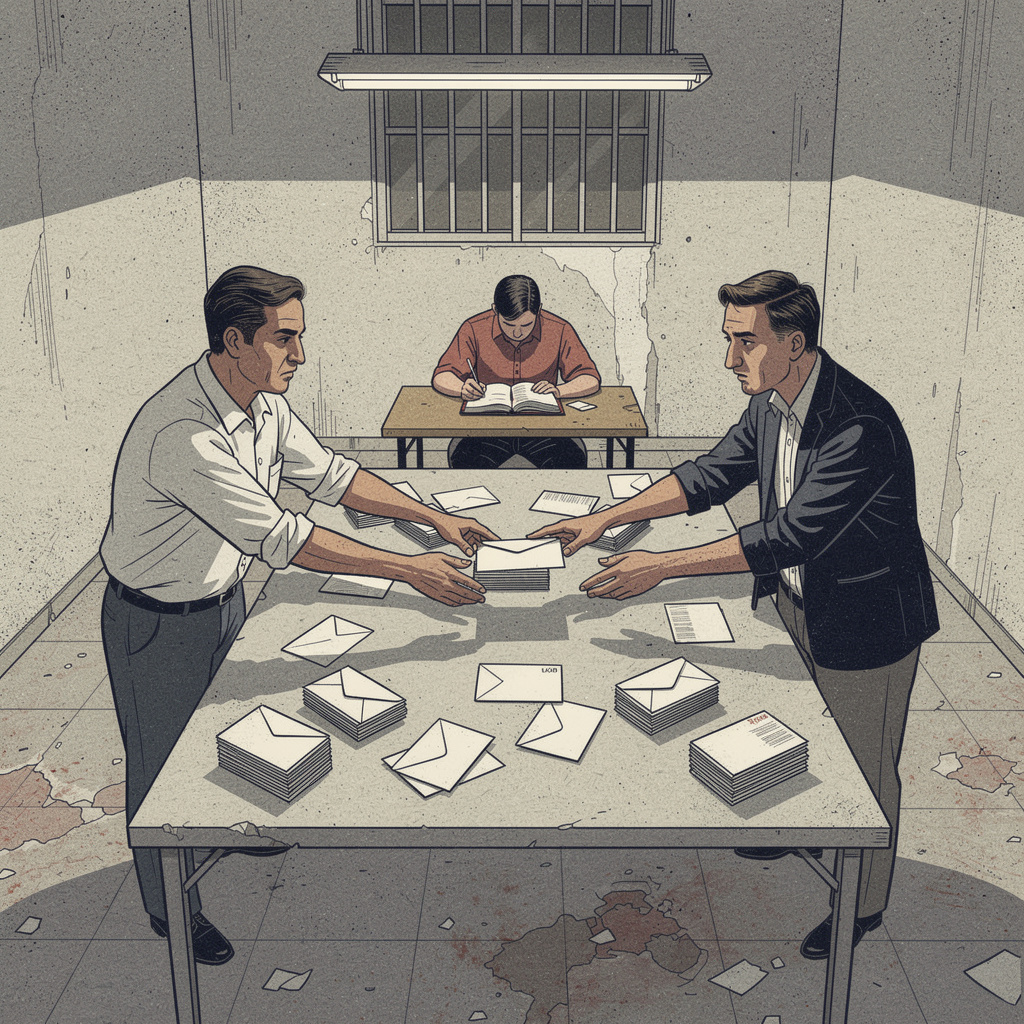
Election day was marred by allegations of irregularities. Poll observers detained multiple party representatives (personeros) for allegedly pre-marking ballots at voting stations 89. Peru's national election board (ONPE) replaced the compromised materials and prosecutors opened investigations, according to La República 9. In the days preceding the vote, thousands protested in Lima under the slogan "Fujimori never again", reflecting deep opposition to the Fujimori political dynasty 2728.
The campaign exposed stark regional and socioeconomic divisions. Sánchez dominated Peru's impoverished southern departments, winning over 86% in Puno, whilst Fujimori led in Lima and coastal urban centres 4. Polls conducted in late May showed 13–25% of voters remained undecided, with a further 22–25% intending to submit blank or spoiled ballots 313240—the highest rate of voter disengagement in 25 years, according to Ojo Público 1.
Why it matters
The election's outcome will determine whether Peru consolidates a regional shift to the right or maintains political plurality in a country wracked by institutional fragility. Keiko Fujimori, daughter of imprisoned former president Alberto Fujimori, has lost three prior presidential bids and faces corruption charges that political scientist Steven Levitsky told La República could be prosecuted by a weakened opposition should she win 29. Her victory would signal continuity with Peru's free-market economic model, according to analysts cited by El Tiempo 21, but risks renewed social conflict given her profound unpopularity in rural and southern regions.
Roberto Sánchez, a political newcomer, campaigned on moderate economic reform after forming a five-party coalition and distancing himself from hard-left ally Vladimir Cerrón, who declined to endorse him 35. Sánchez's revised government plan, presented 1 June, dropped earlier proposals for nationalisation and instead emphasised diversifying exports, extending health coverage to 95% of Peruvians, and achieving universal access to water and electricity in rural schools by 2031 2324. Yet his campaign faced credibility questions, with electoral analyst Enzo Elguera telling ATV+ that voters demanded clarity on the "how and where" of funding such programmes 39.
The election unfolds against dire approval ratings for outgoing President Dina Boluarte, with only 18.7% of citizens backing her government, according to a poll cited by El Mundo 26. Boluarte intervened late in the campaign with an op-ed warning against "statist models that have already failed" and urging institutional stability 34—widely interpreted as criticism of Sánchez despite her formal neutrality.
Who is involved
Keiko Fujimori, 51, leads Fuerza Popular and secured endorsements from right-wing parties including Renovación Popular, whose leader Rafael López Aliaga called her "the only democratic option" 151718, and Avanza País, which cited her defence of private property and individual freedoms 36. The Christian People's Party (PPC) also backed her 36. Former congressman José Jerí announced he would vote for Fujimori despite personal ties to Sánchez, citing concern over figures in Sánchez's orbit including Antauro Humala, convicted for a 2005 armed uprising 3738.
Roberto Sánchez, a former regional governor, leads a coalition described by Infobae as a "consensus programme" between five political forces 23. He received backing from former Lima mayoral candidate George Forsyth, though Forsyth's own party, Somos Perú, disavowed the endorsement, stating it did not reflect party sentiment 1416. Vladimir Cerrón's Perú Libre party, which backed Pedro Castillo's 2021 presidency, granted members freedom to vote but withheld official support for Sánchez 35. Sánchez presented a 124-member technical team on 1 June in a bid to reassure voters of governmental competence 2425.
Peru's Senate—abolished in 1992 under Alberto Fujimori's autogolpe (self-coup)—will be restored under constitutional reforms, returning a bicameral Congress for the first time in 34 years 1. Ojo Público describes this as contributing to the election's complexity and political fragmentation.
What to watch next
The Peruvian electoral authority (ONPE) must process overseas ballots—which require air transport and slower verification—and adjudicate hundreds of contested or spoiled ballots before declaring a winner 6. Ipsos pollster Alfredo Torres told Peru 21 that whilst Fujimori holds a structural advantage in remaining vote pools, the margin is narrow enough that the final result depends on the total volume of pending ballots and how officials resolve challenges 30. The European Union's preliminary statement noted the "technical tie" following a "competitive second round and polarising campaign" 7.
Political scientist Steven Levitsky warned La República that if Fujimori wins and attempts authoritarian measures, "the opposition would be weak" 29. Renovación Popular party officials signalled they would back Fujimori if she rejected results citing fraud, according to AP Noticias 13—raising the prospect of contested certification if Sánchez narrowly prevails. The BBC reported Peru faces "weeks of uncertainty" as counts proceed 5.
Social stability hangs in the balance. Political analyst Rober Villalva told El Comercio that whichever candidate wins must build consensus to avoid "social division and political isolation", given that southern Peru overwhelmingly rejected Fujimori whilst Lima and coastal regions rejected Sánchez 4. With 22–25% of voters submitting protest ballots and approval for all major institutions at historic lows, the incoming government inherits a country Ojo Público describes as facing its most fragmented political landscape in a quarter-century 140.